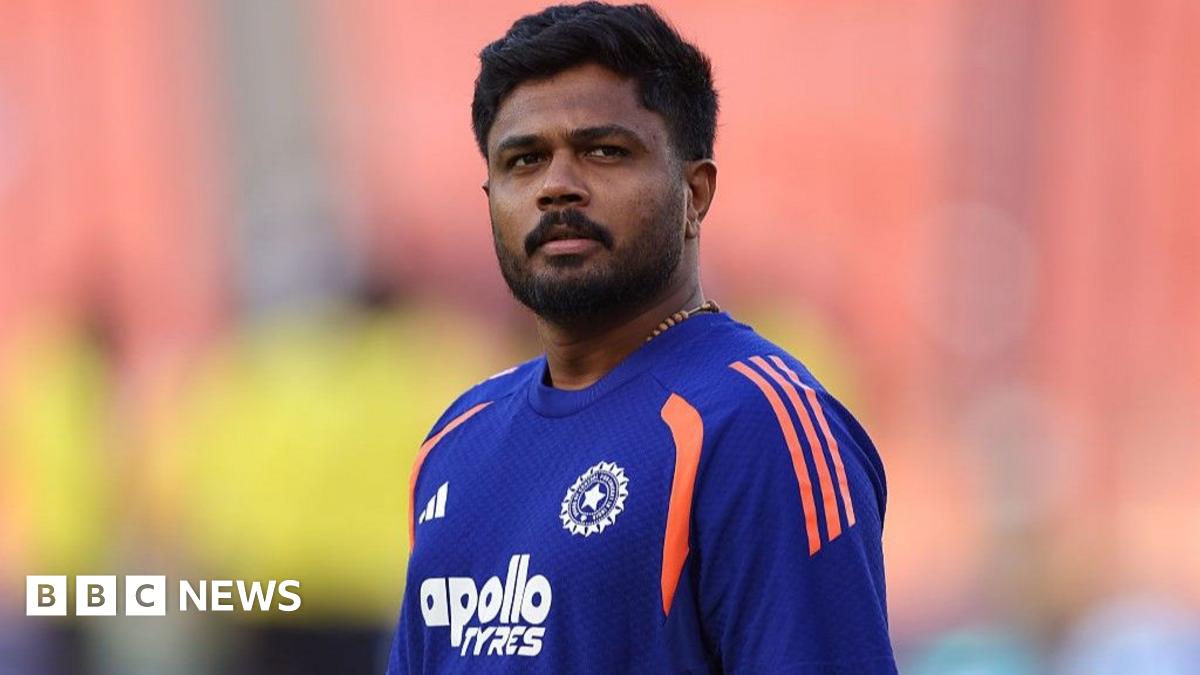
The finer point, though, is that India may not have made it to the knockouts in the first place had it not been for Samson’s mature innings.
India’s final match of the Super Eights against a strong West Indian team in Kolkata was a virtual quarterfinal.
With an unbeaten 97, Samson laid down the marker. This was an old style innings, not a muscular modern marvel. Samson has the most conventional of set ups, does not move around too much in the crease and every stroke he plays, no matter how far the ball goes, is instantly recognisable as a “cricket shot” by the purists.
Samson’s batting is built on precise footwork, balance at the crease and timing. As a wicketkeeper batter, Samson has had to train as hard as anyone else in the team because of the workload he carries.
He is as fit as anyone else, but his strength is rooted in his humble nature rather than the Instagram-worthy six-pack abs sculpted to perfection that most youngsters today seem to aspire to.
But Samson is no youngster.
At 31, Samson has seen a lot of life. When he first played for India, back in 2015, Samson was still a teenager. He was then a product of the Indian Premier League (IPL), having been the bulwark around which the Rajasthan Royals team had been built for years.
If it was the IPL that brought Samson’s gifts into focus, it was the domestic Ranji trophy and other similarly unglamorous tournaments that had been the making of the man.
He toiled hard for years, in empty stadiums and in domestic tournaments that don’t draw much attention.
Sunday was the culmination of all the hard work he put in and the patience he showed in the past decade.