The move comes after the International Cricket Council asked members to trial injury replacements in domestic cricket.
Such trials have already been held in first-class cricket in Australia, India and South Africa but the ECB has taken it further by allowing replacements for illness and life events.
“We wanted to do something that was different to other boards and play our part in learning as much as we could,” said Alan Fordham, the ECB’s head of cricket operations.
The ECB expects injury replacements to be used in 25% of matches, starting with this weekend’s opening round of matches in the County Championship.
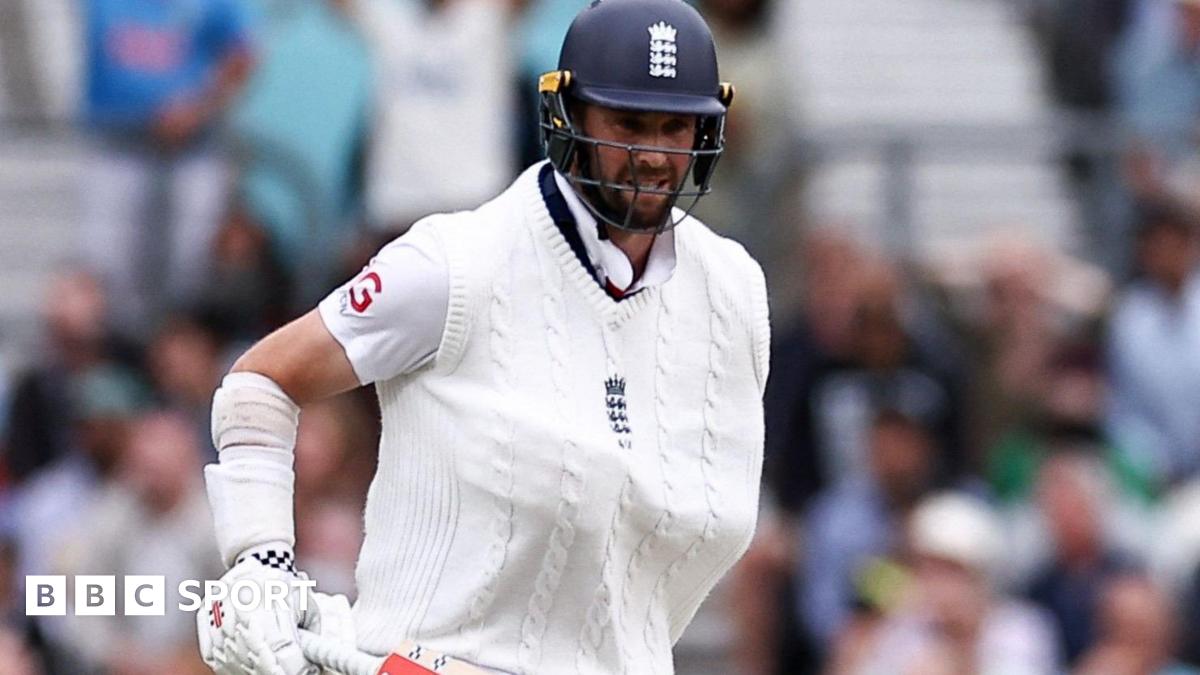
It would eliminate scenarios such as England bowler James Anderson being ruled out of a 2019 Ashes Test after four overs because of a calf injury, or all-rounder Chris Woakes having to bat with one arm in a sling against India last summer.
Once a player has been replaced they will be unable to return in the same fixture.
As with concussion replacements, the incoming player must be like-for-like. That element will have to be signed off by the match referee.
Replacements for injury and illness will require clearance by county chief medical officers. In the scenario of replacements for life events, the chief executives of each county will have to agree to the move.
One deterrent for teams bending the rules to gain competitive advantage is the inclusion of a “stand down period” of eight days for any player replaced for illness or injury. There is no such period for life events.
Unlike trials held in other countries, there is no cut-off period during the match for the replacements. They will be allowed after the first ball or before the last.
“We are relying on medical ethics and integrity,” Fordham said. “This is all about getting the best quality cricket, looking after players and not having players continuing in games they shouldn’t be.
“If teams are going to start pushing at the edges of the regulation then it risks the chance we will have to backpedal.”