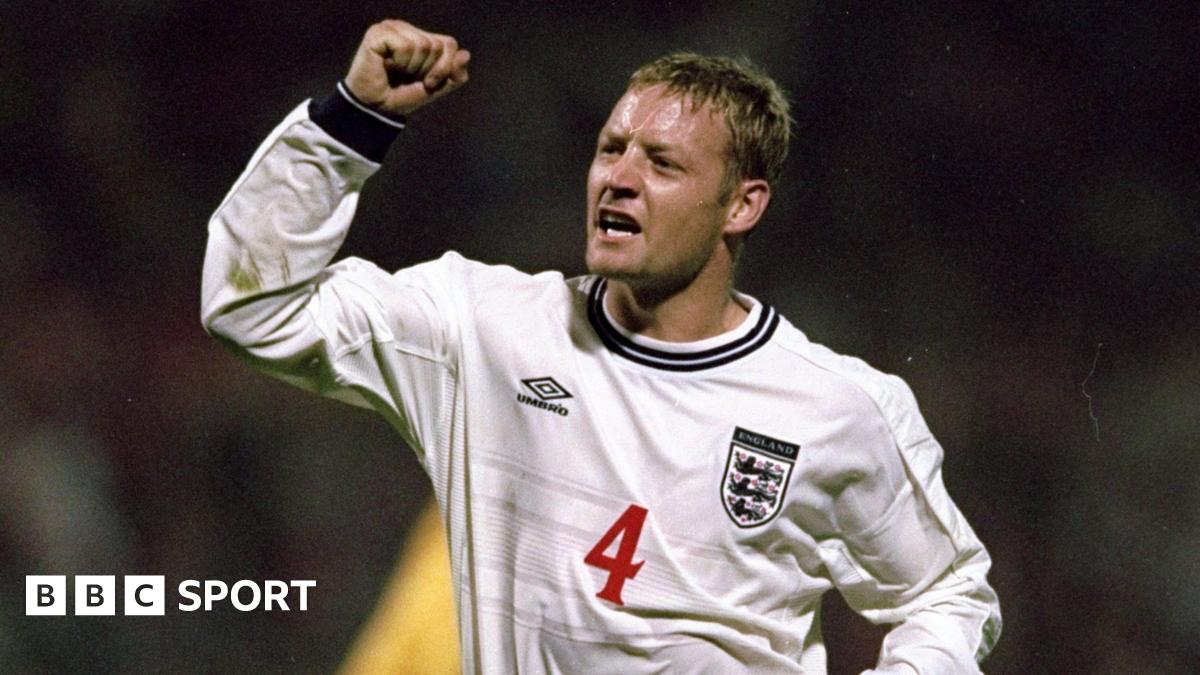
It is a question that has been repeatedly asked.
Not least at the various reunions to mark Leeds’ title triumph in 1992 or Blackburn Rovers’ Premier League win three years later.
Batty was involved in both of those landmark achievements, but ex-Blackburn midfielder Mark Atkins has not caught up with him since their playing days.
“We have tried to get him to the dos we have had, but nobody can get hold of him,” he said.
“He’s not that type of person. Even if he was living five miles away, he wouldn’t turn up because he’s a very personal guy, really.”
Aside from a rare trip to Elland Road to lay a wreath on the pitch in memory of his close friend Gary Speed, following his tragic death in 2011, Batty has tended to keep out of the public eye.
Viduka, who quietly opened a cafe in Croatia after hanging up his boots, can relate.
“In this day and age, everyone shows off everything they do in every moment, like what they had for breakfast,” he said. “Who cares?
“If anyone was not going to be like that, it was Batts.”
Rather than entertaining corporate guests, representing footballers or working in the media, Batty always planned to dedicate his time solely to his family in Yorkshire after retiring.
It has only added to the cult surrounding a player who former Leeds team-mate Eirik Bakke called one of his “heroes”.
“If someone tackled you, Batts was always there to stand up for you,” he said. “You don’t find those types of players a lot. You could always rely on him.”
Batty was more than a mere enforcer, however.
As well as standing his ground, and aggressively winning the ball back, the England international rarely gave away possession.
Those qualities quickly struck ex-Leeds midfielder John Sheridan, who was Batty’s “mentor” in his early days at the club.
“You would think butter wouldn’t melt in his mouth when you looked at him then,” he said.
“But he was tough as nails. He made the game look very simple by doing the simple things easily.”