Manchester City dropped from second place to sixth with revenue of 829m euros (£697m), down 8.5m euros (£7.4m), as they failed to win a major trophy for the first time in eight years.
They failed to reach the last 16 in the Champions League and although they played in July’s Club World Cup, they exited at the last 16 stage.
The other English teams in the top 10 are Arsenal (822m euros, £690m) in seventh, Tottenham (673m euros, £565m) in ninth and Chelsea in 10th (584m euros (£491m).
Aston Villa (450m euros, £378m) are 14th, Newcastle United (400m euros, £335m) 17th and West Ham United (276m euros, £232m) 20th.
Brighton, Everton, Crystal Palace, Bournemouth, Wolves and Brentford round out the top 30.
The absence of a Premier League club in the top four of the Money League comes after they spent a record £3bn in the summer transfer window buoyed by the start of a record £6.7bn four-year domestic TV deal, and the extra revenue generated by newly expanded European club competitions.
“It shows the impact and importance of qualifying for the Champions League. PSG won it and they’re ahead of English clubs,” football finance expert Kieran Maguire told BBC Radio 5 live.
“For every £1 you get in the Uefa Conference League, you get £2 in the Europa League and £7 in the Champions League.
“If you look at [Real and Barca], they have expanded operations and are making more money through commercial activities in football than broadcast deals.
“But the Premier League overall is still dominant.
“The fact a club such as Brentford – no disrespect to them as they are a superbly run club – are bigger than anything in the MLS and South America shows just how successful overall the Premier League has been.”
Manchester United, who finished 15th in the Premier League and were beaten by Tottenham in the Europa League final, went from fourth to eighth with 793m euros (£666m), despite a 3% increase of 22.5m euros (£19.6m)
United have topped the money league on 10 occasions, most recently in 2017.
Their matchday revenue will also suffer this season as they are not involved in European competition and have been knocked out of the FA Cup and League Cup at the first hurdle.
“If you went back 10 or 15 years, and you looked at Manchester United’s matchday revenue it was the industry leader,” said Deloitte Sports Business Group lead partner Tim Bridge.
“If you looked at their ability to generate commercial revenue, it was the benchmark by which everybody then went to market and set their strategy. I don’t think that remains the case.”
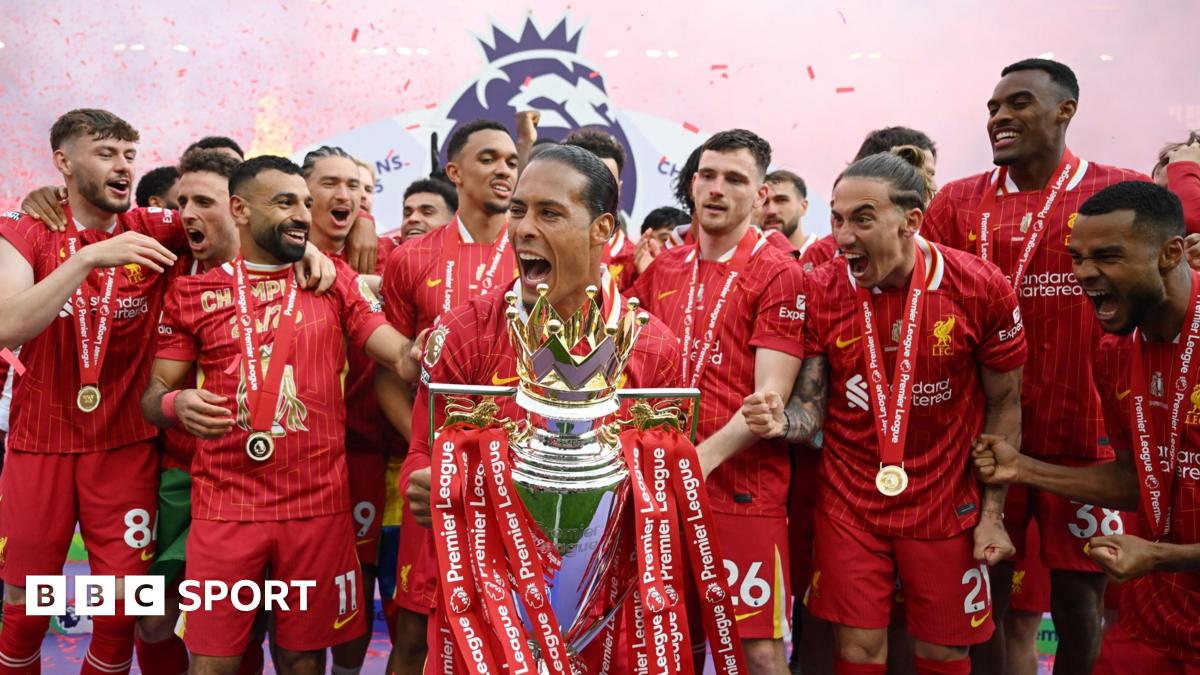
Maguire says Liverpool’s rise can be attributed to the expansion of Anfield and hosting non-football events.
“It is a case of getting more people into the ground, getting more events at the ground, they have hosted concerts and get those fees.
“They have also expanded their megastore operations around the world which brings in those revenues.”
He added: “If you can get more money coming on on non-match days than that is a way to drive a club forward and Liverpool have been successful there.”