The second day of testing on Thursday was marked by two of last year’s title contenders, Lando Norris and Max Verstappen, disagreeing over whether the new cars were enjoyable to drive.
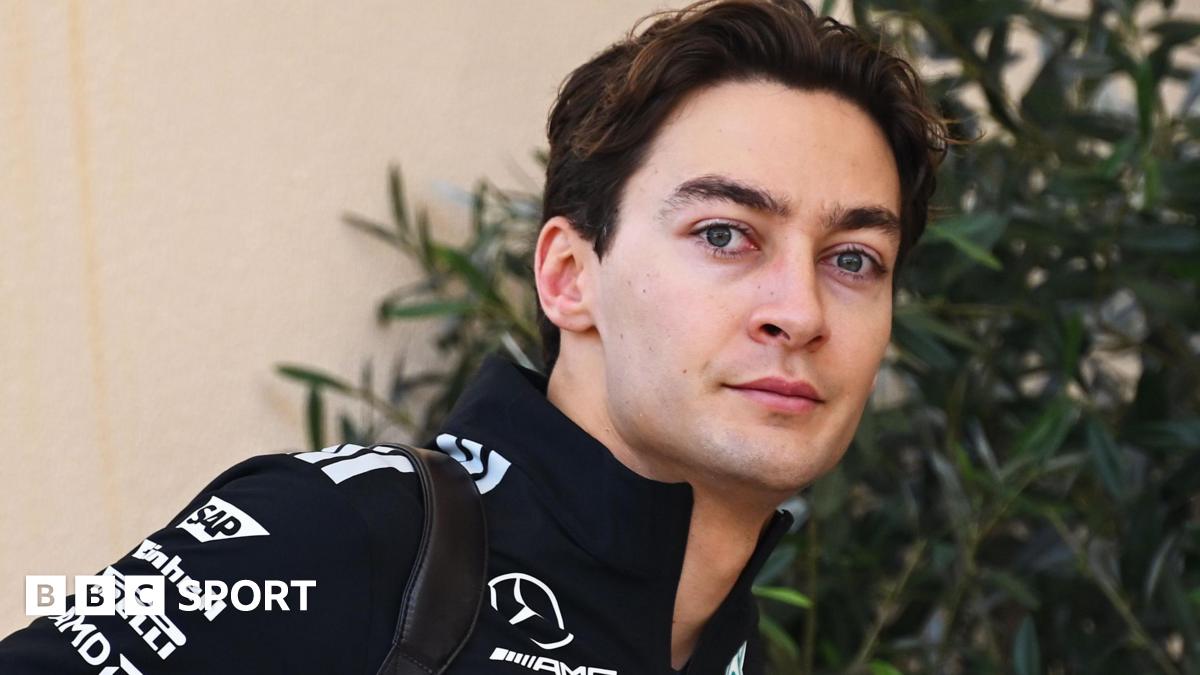
Russell said the 2026 cars were “way nicer to drive” in terms of their handling and ride compared with last year’s, but added that the “engines are very complicated”.
He said: “These two tracks, Barcelona and Bahrain, are arguably two of the easiest circuits for the engines. I don’t want to say anything too early before we get to the likes of Melbourne or Jeddah, but it will be much more challenging for the engines and the energy once we get there.”
But he did expand on a point Verstappen made about the new engines demanding unusual driving styles.
These include using much lower gears in corners than would be normal, just to ensure the engine is revving highly so the systems can recover as much energy as possible.
Russell said: “To give an example, here in Bahrain, usually the first corner is a third-gear corner in the previous generation (of car). Now, we’re having to use first gear to keep the engine, the revs very high to keep the turbo spinning.
“This is probably the one thing that is quite annoying and isn’t that intuitive.
“Imagine when you drive to the supermarket in your car and you get to the roundabout and you put it in third gear to drive around the roundabout, but suddenly the person next to you says, ‘put it in first gear’.
“Everything is like, ‘Wwaahh,’ revving. You don’t go in the roundabout to the supermarket in first gear if you’re driving at a sensible speed. This is the same thing.
“The car and the engine is designed to go around this corner in third gear, but because of the turbo and the boost and all of this, you’ve got to keep the engine revs very high, which means you have to take first gear.
“So, the car just isn’t really designed to do that, but we’re working around it.”
He added that because of the critical nature of energy levels for lap time, it was not always the case that driving around a corner in the fastest possible way – which is usually the fundamental part of a racing driver’s job – would lead to the best lap time.
Russell said: “In the past, if you went around the corner quicker or you tried something different and it worked, you know that’s positive and you just carry that forward.
“Here, you almost need to wait a full lap to actually learn, ‘What I did at Turn One, has that cost me energy or not?'”